
anti fog bathroom mirror with light
Understanding the 8% Butterfly Valve in Industrial Applications The butterfly valve is a crucial component in various industrial applications, and the 8% butterfly valve is particularly notable for its efficiency and functionality. This type of valve is primarily used for regulating flow, making it a key element in processes that require precise control over fluid movement. What is a Butterfly Valve? A butterfly valve is a flow control device consisting of a disk attached to a rotating shaft. The disk is positioned in the center of the pipe, and when the valve is opened, the disk rotates to a parallel position to allow fluid to flow through. Conversely, when the valve is closed, the disk turns perpendicular to the flow direction, obstructing it. The design of the butterfly valve makes it an attractive option for many applications due to its lightweight structure and ease of operation. The 8% Butterfly Valve Explained The term 8% butterfly valve generally refers to a specific design aspect or operational capability of a butterfly valve. It can indicate the flow capacity or the degree to which the valve opens. In many industrial processes, achieving precise flow control is essential, and the 8% reference often denotes the percentage of the valve's travel that effectively controls fluid flow. This means that when the valve is opened by 8%, it allows for a certain predefined flow rate, making it easier for engineers to design and optimize systems relying on this component. Benefits of Using the 8% Butterfly Valve 8 butterfly valve 1. Efficiency One of the primary advantages of the 8% butterfly valve is its efficiency in managing fluid flow. The ability to control flow in small increments enhances its effectiveness in applications where precision is paramount, such as in chemical processing or water treatment facilities. 2. Space-Saving Design Butterfly valves take up significantly less space than traditional gate or globe valves, making them ideal for applications where space is limited. Their compact design allows for easier installation and can lead to cost savings on piping systems. 3. Reduced Pressure Drop Compared to other valve types, butterfly valves typically offer a lower pressure drop when fully opened. This characteristic can lead to energy savings in pump operations, making them a popular choice in various fluid handling systems. 4. Durability Constructed from high-quality materials, 8% butterfly valves are built to last. They are resistant to wear and corrosion, making them suitable for a wide range of media, from water and steam to various chemicals. 5. Versatility These valves can be used in a multitude of applications, including HVAC systems, food processing, pharmaceuticals, and more. Their ability to handle different flow rates and pressures adds to their appeal across various industries. Conclusion The 8% butterfly valve represents an essential tool for engineers and operators who require reliable and precise flow control in their systems. Its efficiency, compact design, and durability make it a preferred choice in many applications. As industries continue to advance and seek ways to optimize their operations, the importance of such components will only grow. Understanding the operational features and advantages of the 8% butterfly valve can help in making informed decisions when designing or upgrading fluid handling systems. Embracing innovative technologies like the butterfly valve is not just a matter of choice but a strategic move towards enhanced operational efficiency and sustainability.
about
anti fog bathroom mirror with light
Understanding Globe Valve An Essential Component in Fluid Control Globe valves are an integral component of a variety of engineering systems, particularly in the realm of fluid control. With their unique structure and operation, they have become a preferred choice in many industries due to their efficiency in regulating flow. This article will delve into the characteristics, advantages, and applications of globe valves, offering a comprehensive understanding of this crucial machinery. What is a Globe Valve? A globe valve is a type of valve that is used to regulate the flow of fluids in a pipeline. Its design features a spherical body, with an internal baffle that helps to control the flow of liquid or gas. The flow path is not linear; instead, it is redirected through the valve's body, which is where it gets its name. The valve consists of three main parts the body, the seat, and the disc. When the handwheel is turned, the disc moves up or down to either block the flow or allow it to pass, making the globe valve particularly effective for throttling. Characteristics of Globe Valves One of the defining characteristics of globe valves is their ability to provide precise flow control. The geometry of the valve allows for effective throttling and pressure drop management. Unlike gate valves, which are either fully open or closed, globe valves can adjust the flow incrementally, making them more versatile in applications requiring variable flow rates. Additionally, globe valves are known for their robust construction, which can handle high pressures and temperatures. They are typically made from various materials, including brass, stainless steel, and cast iron, which allows them to be used in diverse environments ranging from simple water systems to complex industrial processes. Advantages of Globe Valves 1. Flow Regulation One of the primary advantages of globe valves is their superior ability to regulate flow. Their design allows for finer control compared to other valve types, ensuring that systems can operate at optimal efficiency. globe valve 6 2. Durability Globe valves are designed to withstand high-pressure environments, which adds to their longevity and reliability in harsh conditions. 3. Versatility They can be used in a variety of applications, from simple household plumbing to complex industrial systems. Globe valves are commonly used in steam, water, oil, and gas applications. 4. Ease of Maintenance The design of globe valves makes them easier to maintain and repair than some other valve types. Their accessible components allow for straightforward inspections and replacements when needed. Applications of Globe Valves Globe valves are widely used across various sectors. In the oil and gas industry, they manage flow in pipelines, ensuring that the right amount of fluid is distributed. In power plants, globe valves play a critical role in controlling steam and water flows, which is essential for energy generation. Additionally, in HVAC systems, they regulate the flow of heating and cooling fluids, maintaining desired temperature levels in buildings. Moreover, globe valves are frequently found in water treatment facilities, where they help control the flow of water and chemicals in the purification process. The ability to make precise adjustments is vital in ensuring the efficacy of water treatment procedures. Conclusion In summary, globe valves are a fundamental component in a wide range of fluid control applications. Their design facilitates precise flow regulation, making them invaluable in industries where managing liquid and gas flows is crucial. Their robust construction ensures durability, while their versatility allows for use in various environments. Understanding the function and application of globe valves can help engineers and technicians make informed decisions in system design and maintenance, ultimately leading to more efficient and reliable fluid management. Whether in industrial settings or everyday applications, the significance of globe valves cannot be overstated as they continue to support essential processes in our modern world.
-

High quality industrial productsagement

High quality industrial products
View Details -

Meet the diverse needs of customers

Meet the diverse needs of customers
View Details -

Strict quality control

Strict quality control
View Details -

Top raw materials

Top raw materials
View Details -

Trusted supplier

Trusted supplier
View Details
Our application



news and information
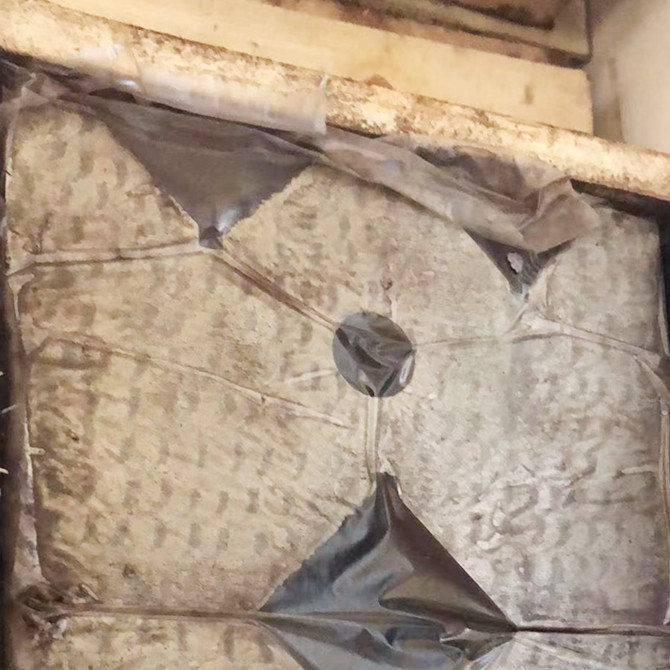
Versatile mushroom-shaped rebar cap with multiple functions
The Multi-Function Mushroom Rebar Cap Revolutionizing Construction Efficiency In the dynamic world

wood frame truss nail plate
Understanding Wood Frame Truss Nail Plates A Structural Perspective In the realm of modern construct
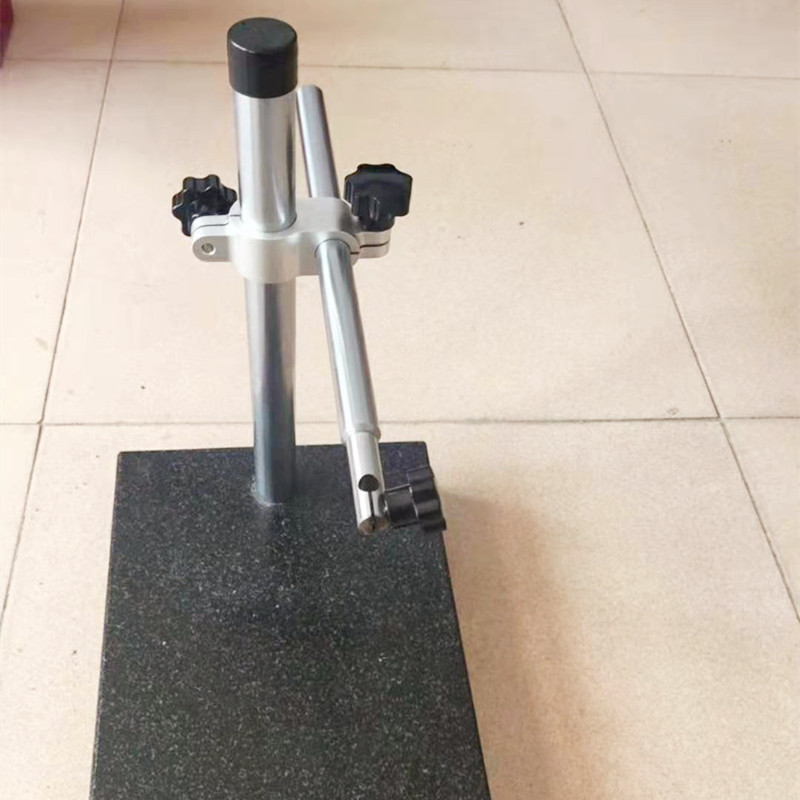
Válvula de retenção SS
Válvula de Retenção SS Importância e Aplicações No mundo da engenharia e da mecânica, o uso de válvu
 English